Categories
Global Brand Analysis of Large Liquid-Cooled Diesel Engines and Strategies for Future Market Growth
Global Brand Analysis of Large Liquid-Cooled Diesel Engines and Strategies for Future Market Growth
Mar 7th,2025
895 Views
Global Brand Analysis of Large Liquid-Cooled Diesel Engines and Strategies for Future Market Growth The large liquid-cooled diesel engine market, a cornerstone of industrial and infrastructural development, is dominated by a handful of global brands renowned for their engineering excellence, reliability, and adaptability. These engines power critical sectors such as marine propulsion, mining, power generation, and heavy construction, where performance under extreme conditions is non-negotiable. As the world navigates evolving environmental regulations, energy transitions, and technological disruptions, brands must innovate strategically to secure their foothold and expand market share. This analysis explores the competitive landscape, key players, and actionable strategies for future success.
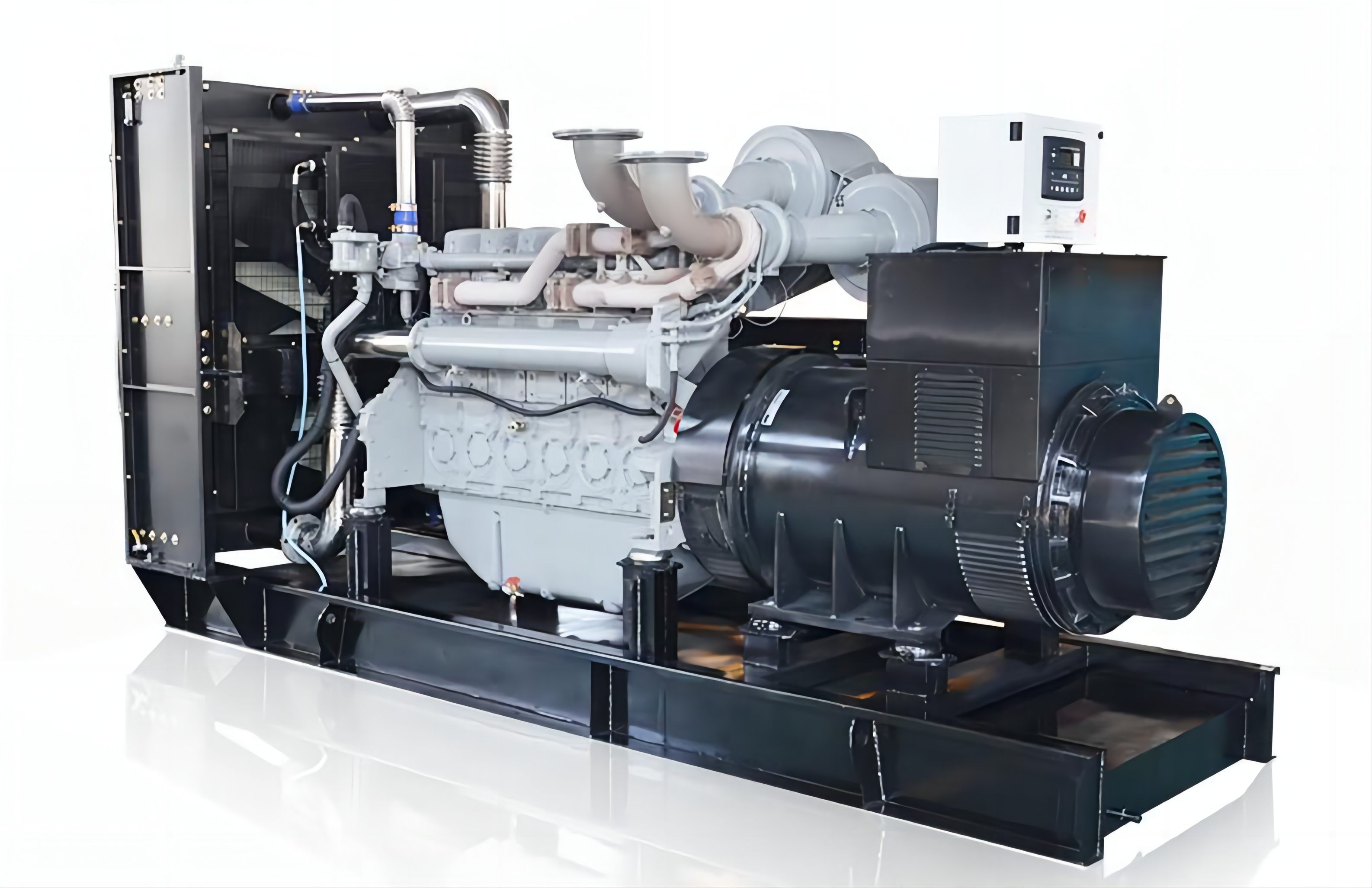 **Global Brand Landscape: Leaders and Differentiators** The market for large liquid-cooled diesel engines is shaped by established giants with decades of expertise, regional champions, and emerging innovators pushing technological boundaries. Below are the defining characteristics of leading brands: 1. **Cummins (USA)** A titan in diesel technology, Cummins leverages its legacy of innovation and global service network to maintain dominance. Its engines are celebrated for fuel efficiency, compliance with stringent emissions standards (e.g., Tier 4 Final, IMO Tier III), and modular designs that simplify maintenance. The brand’s integration of digital tools like **PrevenTech™**, which enables predictive maintenance, enhances customer loyalty in industries where downtime is costly.
 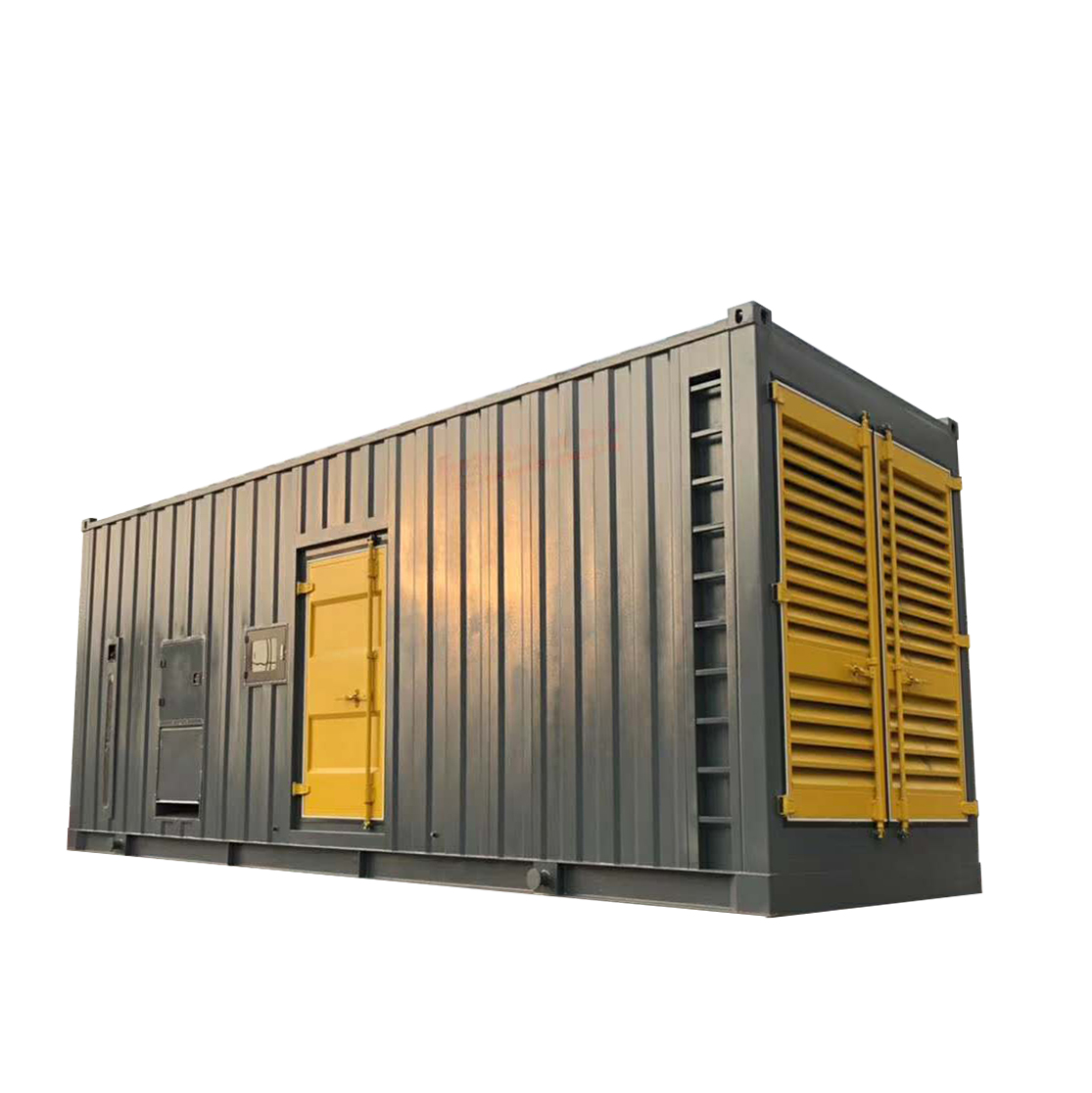 2. **Caterpillar (USA)** Caterpillar’s **3500 Series** engines epitomize rugged durability, making them a staple in mining and marine applications. The brand differentiates itself through holistic power solutions, combining engines with advanced aftertreatment systems and hybrid configurations. Caterpillar’s emphasis on lifecycle cost reduction—via extended service intervals and remanufacturing programs—resonates with cost-conscious operators. 3. **MAN Energy Solutions (Germany)** MAN dominates the marine and stationary power sectors with high-efficiency, low-emission engines. Its **MAN 175D** model, optimized for hybrid marine propulsion, reflects the brand’s focus on sustainability. MAN’s strength lies in its R&D investments in hydrogen-ready engines and carbon-neutral fuels, positioning it as a pioneer in decarbonization. 4. **Mitsubishi Heavy Industries (Japan)** Mitsubishi’s **S12R/S16R series** engines are lauded for compactness and high power density, ideal for urban power plants and offshore platforms. The brand capitalizes on Japan’s reputation for precision engineering and reliability, particularly in Asia-Pacific markets. Mitsubishi’s collaborations with tech firms to integrate AI-driven optimization tools further enhance its appeal. 5. **Volvo Penta (Sweden)** Volvo Penta excels in hybridization and electrification, offering engines designed for seamless integration with battery systems. Its **D13 engine platform** is a favorite in the marine and industrial sectors, balancing performance with environmental compliance. Volvo’s global dealer network and emphasis on operator training strengthen its after-sales ecosystem. 6. **Wärtsilä (Finland)** Though traditionally focused on marine and energy markets, Wärtsilä’s **31DF** dual-fuel engine—capable of running on diesel, LNG, or hydrogen blends—showcases its agility in adapting to energy transitions. The brand’s software solutions for energy management and grid stability add unique value in the power generation sector. **Market Dynamics and Emerging Challenges** The large liquid-cooled diesel engine industry faces transformative pressures: - **Stringent Emissions Regulations**: Global standards like Euro VII, EPA Tier 5, and IMO Tier III are pushing brands to adopt exhaust aftertreatment systems (SCR, DPF) and alternative fuels. - **Energy Transition**: Rising demand for hybrid and multi-fuel engines, alongside competition from battery-electric and hydrogen fuel cells, threatens traditional diesel dominance. - **Cost Sensitivity**: In emerging markets, price remains a critical factor, driving demand for durable yet affordable engines with low total cost of ownership. - **Digitalization**: Customers increasingly expect IoT-enabled engines with real-time diagnostics, remote monitoring, and predictive maintenance capabilities. ---
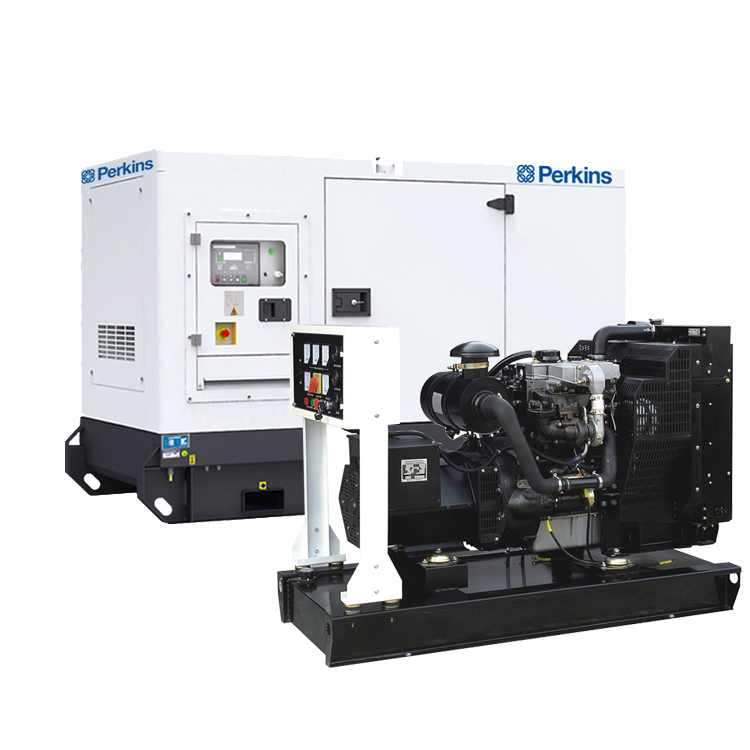 **Strategies for Capturing Future Market Share** To thrive in this evolving landscape, brands must adopt a multipronged approach that balances innovation, sustainability, and customer-centricity. **1. Accelerate Transition to Low-Carbon Technologies** - Invest in **hydrogen combustion engines** and **carbon-neutral biofuel compatibility** to align with global decarbonization goals. For example, MAN’s prototype hydrogen engine for marine use demonstrates how legacy brands can pivot without abandoning core expertise. - Develop hybrid systems that pair diesel engines with battery storage, as seen in Wärtsilä’s hybrid power plants, to offer flexible, future-proof solutions. **2. Enhance Digital Integration** - Embed **AI and machine learning** into engine management systems to optimize performance, predict failures, and reduce downtime. Caterpillar’s **Cat® Connect** platform, which offers fleet-wide analytics, exemplifies this trend. - Offer subscription-based digital services (e.g., remote diagnostics, emissions reporting) to create recurring revenue streams and deepen client engagement. **3. Expand into Underserved Regions** - Target growth in Africa, Southeast Asia, and South America, where infrastructure development and unreliable grids drive demand for diesel generators. Localized manufacturing or partnerships with regional distributors can reduce costs and improve market penetration. - Tailor products to regional needs—e.g., engines resistant to dusty environments for Middle Eastern mining or corrosion-resistant models for tropical marine markets. **4. Strengthen Circular Economy Practices** - Promote remanufacturing and refurbishment programs to appeal to sustainability-focused clients. Cummins’ **ReCon®** program, which offers rebuilt engines with warranty parity to new units, reduces waste and fosters customer loyalty. - Develop closed-loop recycling systems for engine components to minimize environmental impact and comply with evolving ESG standards. **5. Foster Strategic Alliances** - Collaborate with renewable energy firms, tech startups, and governments to co-develop integrated power solutions. For instance, Mitsubishi’s partnership with Siemens Energy on hybrid microgrids combines diesel generators with solar and storage. - Engage in industry consortia to shape emissions policies and standards, ensuring regulatory frameworks align with technological capabilities. **6. Prioritize Total Cost of Ownership (TCO)** - Design engines with extended maintenance intervals and modular components to reduce lifecycle costs. Volvo Penta’s emphasis on fuel efficiency and easy servicing in its **D13 engine** underscores this strategy. - Offer flexible financing models, such as pay-per-use or leasing, to lower entry barriers for small and medium enterprises in emerging economies. **Case Studies: Success Stories in Adaptation** - **MAN Energy Solutions’ Methanol Engines**: MAN’s development of methanol-compatible engines for Maersk’s green shipping fleet highlights how aligning with corporate sustainability targets can open new revenue streams. - **Caterpillar’s Hybrid Mining Trucks**: By integrating diesel-electric drives in mining trucks, Caterpillar reduced fuel consumption by 25%, appealing to cost- and carbon-conscious mining firms. - **Wärtsilä’s Grid Stability Solutions**: In South Africa, Wärtsilä’s diesel-powered peaking plants paired with energy storage systems provide rapid-response power during grid failures, addressing both reliability and renewable integration challenges. **Conclusion: The Path Forward** The large liquid-cooled diesel engine market is at an inflection point. While traditional demand from industries like shipping and mining remains robust, the rise of renewables, digitalization, and decarbonization mandates necessitates bold reinvention. Leading brands will differentiate themselves not just through horsepower and durability, but by offering **integrated, sustainable power ecosystems** that bridge the gap between legacy systems and future energy needs. To capture greater market share, companies must act as enablers of the energy transition—whether through hydrogen-ready engines, AI-driven efficiency gains, or circular business models. By staying ahead of regulatory curves, understanding regional nuances, and fostering partnerships, brands can ensure that large liquid-cooled diesel engines remain indispensable in a rapidly changing world. The race is no longer solely about engineering superiority; it is about visionary leadership in an era where power must be both relentless and responsible.


