Categories
Comprehensive Guidelines for the Operation and Maintenance of Large Water-Cooled Diesel Generator
Comprehensive Guidelines for the Operation and Maintenance of Large Water-Cooled Diesel Generator
Mar 3rd,2025
1124 Views
**Comprehensive Guidelines for the Operation and Maintenance of Large Water-Cooled Diesel Generator** The reliable performance and longevity of large water-cooled diesel engines depend on meticulous adherence to operational protocols and preventive maintenance practices. These engines, widely employed in industrial, marine, and power generation applications, require a systematic approach to ensure optimal efficiency, safety, and compliance with environmental standards. 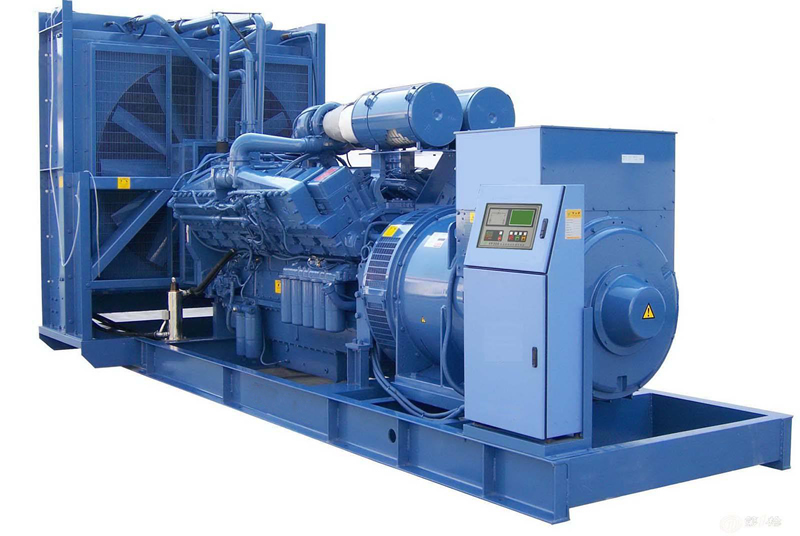 **Cooling System Management** The water-cooling system is integral to preventing overheating and maintaining thermal stability. Always use a high-quality coolant mixture formulated for diesel engines, typically combining distilled water and antifreeze in manufacturer-recommended ratios. Avoid tap water, as mineral deposits can accumulate in the radiator and engine block, impairing heat transfer. Regularly inspect coolant levels, hoses, and connections for leaks or corrosion. Monitor coolant temperature gauges during operation, and ensure the thermostat and water pump function correctly to maintain consistent circulation. In environments with extreme temperatures, adjust coolant concentration to prevent freezing or boiling. Periodically flush and replace the coolant to remove contaminants and preserve the system’s efficiency. **Lubrication and Oil Maintenance** Proper lubrication minimizes friction, reduces wear, and dissipates heat from critical engine components. Use only engine oils specified for heavy-duty diesel applications, considering viscosity grades suitable for operating temperatures. Check oil levels before each startup, and top up as needed, avoiding overfilling. Adhere strictly to oil-change intervals, which vary based on engine load, runtime, and environmental conditions. Contaminated oil—evidenced by fuel dilution, soot, or metal particles—must be replaced immediately. Regularly inspect oil filters and replace them during scheduled maintenance to ensure unrestricted flow and filtration efficiency.
 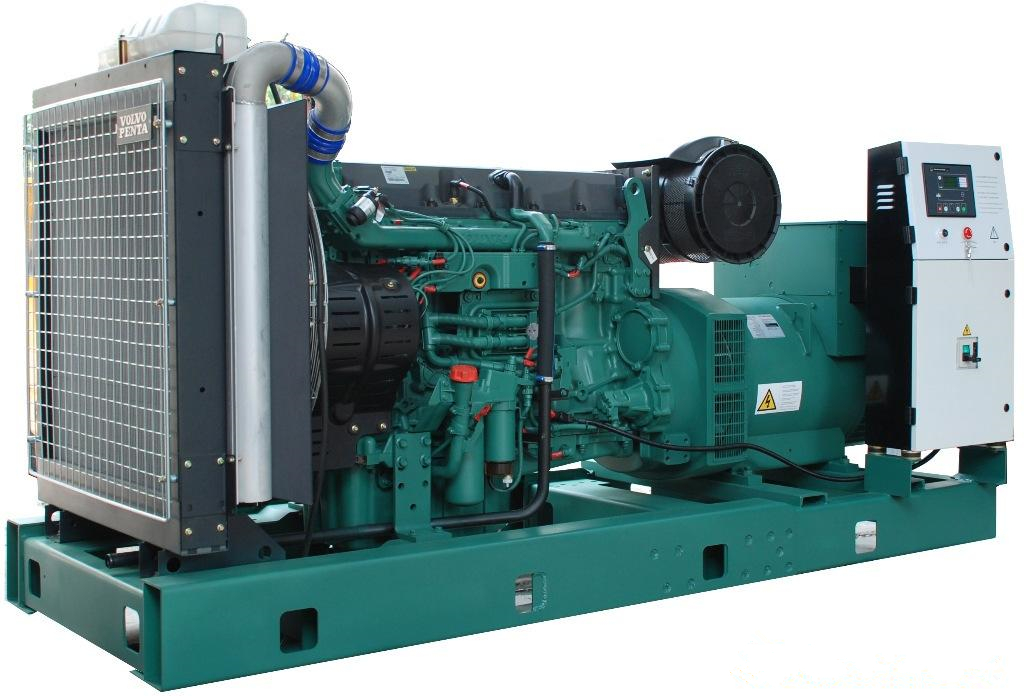 **Fuel Quality and Filtration** Diesel fuel purity directly impacts combustion efficiency and component lifespan. Source fuel from reputable suppliers to avoid contaminants like water, sediment, or microbial growth. Install primary and secondary fuel filters, and replace them according to service intervals or when pressure differentials indicate clogging. Drain water separators routinely to prevent moisture from entering the fuel system. In cold climates, use winter-grade diesel or additives to inhibit wax formation, ensuring fuel remains fluid and combusts efficiently. **Startup and Warm-Up Procedures** Avoid abrupt cold starts, as insufficient lubrication can accelerate component wear. Preheat the engine using block heaters or glow plugs in low-temperature environments to reduce thermal stress. Allow the engine to idle briefly after startup, gradually increasing load to permit oil circulation and uniform thermal expansion. Never apply heavy loads during the warm-up phase, as uneven heating can distort engine parts. **Load Management and Operational Limits** Operate the engine within its rated power and torque specifications to avoid premature fatigue. Sudden load spikes or prolonged overloading can cause excessive heat generation, piston ring degradation, or crankshaft damage. Use load-sharing systems in parallel generator setups to distribute demand evenly. For variable load applications, employ governors or automated control systems to maintain stable RPM and prevent lugging. **Exhaust and Emission Control** Modern water-cooled diesel engines often integrate emission-reduction technologies such as exhaust gas recirculation (EGR) or selective catalytic reduction (SCR). Ensure urea (DEF) tanks for SCR systems are replenished with high-purity fluid, and avoid mixing contaminants. Inspect exhaust manifolds, turbochargers, and aftertreatment components for cracks, leaks, or carbon buildup. Adhere to emission testing schedules to verify compliance with local regulations. **Vibration and Alignment Checks** Large engines generate significant vibration, which can loosen bolts, misalign couplings, or damage auxiliary equipment. Periodically inspect engine mounts, flywheel housings, and driven components (e.g., alternators, pumps) for secure fastening. Use laser alignment tools to verify the precision of engine-to-load connections, minimizing eccentric forces that strain bearings or shafts. **Regular Inspection and Professional Servicing** Establish a maintenance calendar aligned with the engine’s runtime hours. Key tasks include valve clearance adjustments, injector calibration, turbocharger inspection, and belt tension checks. Employ thermal imaging or vibration analysis tools to detect early signs of component failure. Engage certified technicians for major overhauls, cylinder head repairs, or crankshaft regrinding to ensure adherence to engineering tolerances. **Environmental and Operational Conditions** Protect the engine from abrasive dust, saltwater exposure, or excessive humidity, which can corrode electrical systems or air intakes. Install air filters suited to the operating environment—e.g., cyclonic pre-cleaners for dusty settings—and clean or replace them frequently. Ensure adequate ventilation in enclosed spaces to prevent heat buildup and maintain air quality. **Shutdown and Long-Term Storage** Before shutdown, allow the engine to idle briefly to stabilize temperatures and prevent thermal shock. For extended storage, drain fuel or treat it with stabilizers to prevent degradation. Disconnect batteries and store them in a charged state. Seal air intakes and exhaust outlets to deter moisture or pest ingress. Periodically rotate the crankshaft manually to prevent bearing corrosion. **Safety Protocols** Always follow lockout-tagout procedures during maintenance to avoid accidental startups. Use personal protective equipment (PPE) when handling hot components, fuels, or coolants. Keep fire extinguishers rated for flammable liquids nearby, and ensure emergency shutdown systems are functional. By integrating these practices into daily operations, users can maximize the reliability, efficiency, and service life of large water-cooled diesel engines, while mitigating risks of costly downtime or environmental non-compliance.


