The Evolution and Engineering Excellence of Perkins Engines
Since its inception in 1932, Perkins Engines has carved an indelible legacy in the global power solutions industry. Founded by Frank Perkins and Charles Chapman in Peterborough, England, the company began with a singular vision: to revolutionize diesel engine technology by prioritizing reliability, innovation, and adaptability. Over nine decades, Perkins has grown from a modest British enterprise into a cornerstone of industrial and agricultural power systems, serving markets across six continents. Its journey reflects not just technological advancement but a relentless commitment to understanding and meeting the evolving needs of its customers. 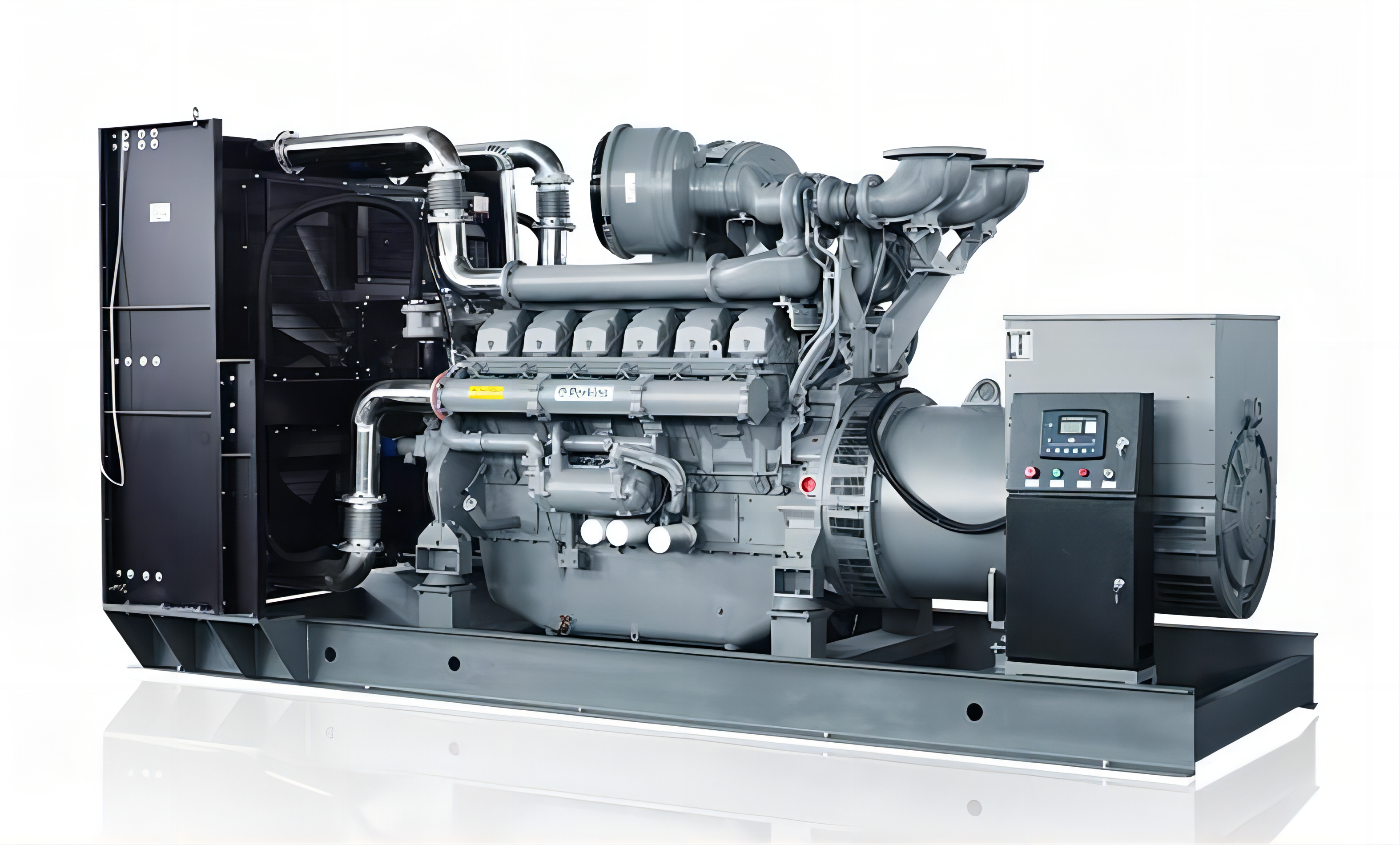 The early years of Perkins were defined by groundbreaking engineering. In 1935, the company introduced the Vixen, a four-cylinder diesel engine that quickly gained acclaim for its compact design and fuel efficiency. This innovation positioned Perkins as a pioneer in an era dominated by bulkier, less efficient engines. World War II further cemented the brand’s reputation, as Perkins engines powered military vehicles, generators, and marine equipment, demonstrating unparalleled durability under extreme conditions. Post-war reconstruction efforts saw Perkins engines become integral to agricultural machinery, enabling the mechanization of farming and boosting productivity worldwide. A pivotal moment arrived in the 1950s with the launch of the Perkins P6 series. These engines set new benchmarks for versatility, finding applications in tractors, construction equipment, and even early commercial vehicles. By the 1960s, Perkins had expanded its global footprint, establishing manufacturing facilities in North America and Asia. Strategic partnerships, such as the acquisition by Massey Ferguson in 1959, allowed the brand to integrate its engines into one of the world’s leading agricultural machinery lines. Later, under the ownership of Caterpillar Inc. (1998–2017) and subsequently Perkins’ parent company, Proton, the brand continued to refine its engineering capabilities while maintaining its distinct identity. The true strength of Perkins lies in its ability to innovate without compromising core values. Its engines are synonymous with robustness, a trait forged through decades of real-world testing in harsh environments. From the arid deserts of the Middle East to the frozen tundras of Scandinavia, Perkins engines are engineered to deliver consistent performance. This reliability is underpinned by advanced fuel injection systems, optimized combustion processes, and materials engineered for longevity. For instance, the Perkins 4000 Series, designed for heavy-duty industrial use, incorporates modular components that simplify maintenance while maximizing uptime—a critical factor for industries where operational efficiency translates directly to profitability.
 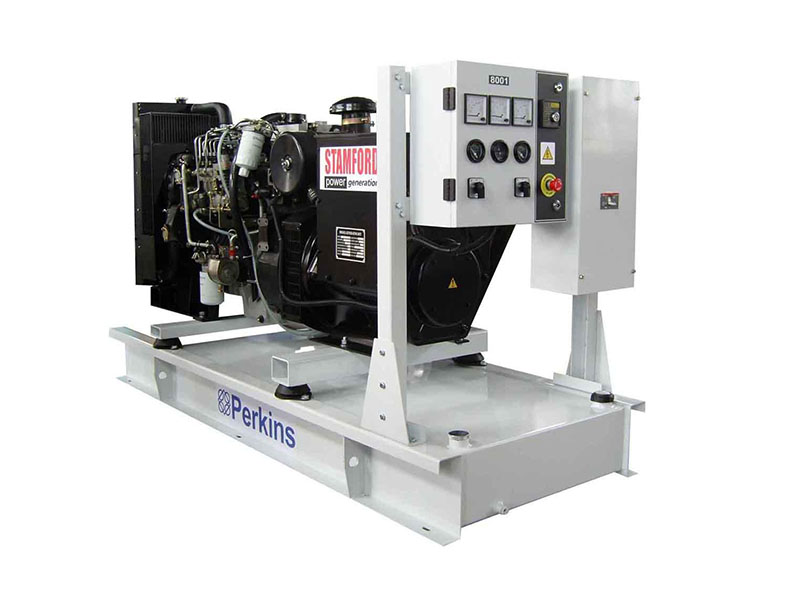 Environmental sustainability has become a cornerstone of Perkins’ modern ethos. Long before emissions regulations dominated industry agendas, the company invested in cleaner technologies. The development of the Synergy range, which meets Stage V and EPA Tier 4 Final standards, exemplifies this foresight. These engines utilize advanced aftertreatment systems, such as diesel particulate filters (DPFs) and selective catalytic reduction (SCR), to reduce nitrogen oxides and particulate emissions without sacrificing power output. Such innovations align Perkins with global decarbonization goals while ensuring compatibility with alternative fuels like biodiesel and hydrogen—a strategic hedge against future energy shifts. Another defining characteristic is Perkins’ customer-centric approach. Rather than offering one-size-fits-all solutions, the brand emphasizes customization. Engineers collaborate closely with OEMs (Original Equipment Manufacturers) to tailor engines for specific applications, whether it’s a compact generator for urban construction sites or a high-torque engine for mining trucks. This agility is supported by a decentralized manufacturing model, with localized production hubs ensuring rapid response to regional market demands. Additionally, Perkins’ global service network, comprising over 1,000 dealers, guarantees prompt technical support and parts availability, minimizing downtime for end-users. In an era of digital transformation, Perkins has embraced connectivity and smart technologies. The integration of telematics systems allows real-time monitoring of engine performance, enabling predictive maintenance and data-driven optimization. Such features not only enhance operational efficiency but also empower customers to make informed decisions about fleet management and fuel consumption. Ultimately, the endurance of Perkins as a brand stems from its dual focus on heritage and horizon. While it honors its legacy of mechanical excellence, it continuously adapts to emerging challenges—be it regulatory changes, shifting energy landscapes, or the demand for smarter machinery. This balance between tradition and innovation ensures that Perkins engines remain not just products but partners in progress for industries that power the world........


